Is stone good for kitchen worktops?
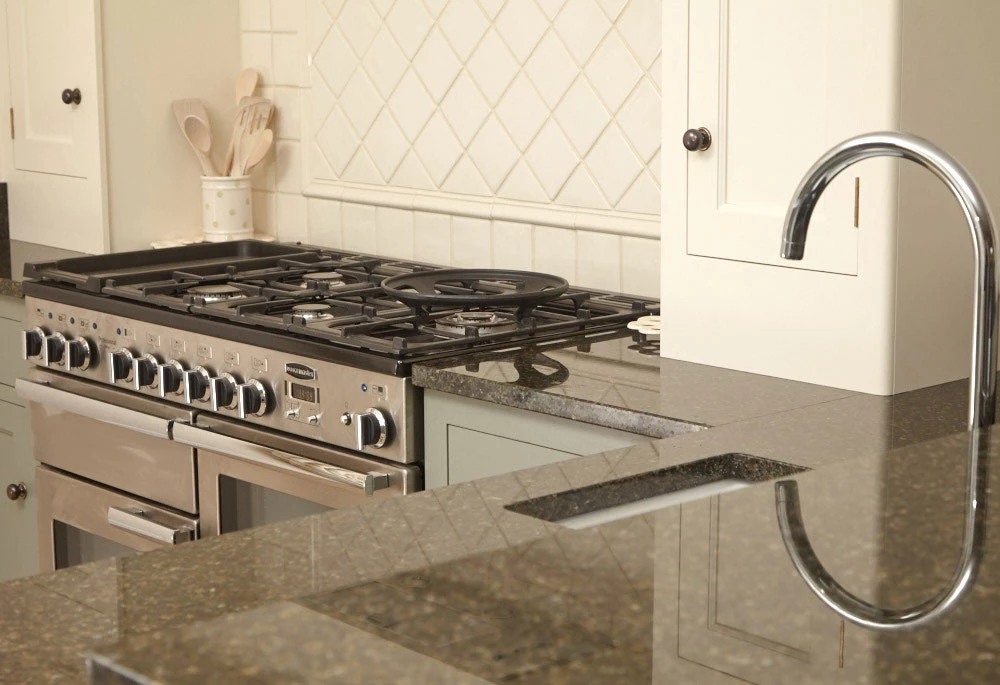
Yes, stone is widely considered the best long-term choice for kitchen worktops. Natural stone handles heat, resists scratches and adds character to a kitchen in a way no synthetic material can replicate. Engineered options like quartz and porcelain add non-porous, zero-maintenance benefits on top. Stone also adds value to your home, making it a practical investment as well as an aesthetic one.
What are the best stone worktops for kitchens?
The best stone kitchen worktop depends on how you use your kitchen. Granite and quartzite are excellent for heavy daily use as both are heat-resistant and extremely hard-wearing. Quartz is ideal if low maintenance is your priority, as it requires no sealing. Marble suits those who want a luxury aesthetic and are happy to maintain it. Our team can help you weigh up the options for your specific kitchen.
How much do stone kitchen worktops cost?
Pricing depends on the stone type, slab size, edge profile and any cutouts required for sinks or hobs. We offer free, no-obligation quotes tailored to your project - contact us on 01376 550 009.
Do stone kitchen worktops need sealing?
It depends on the material. Natural stones such as granite, marble, quartzite, and slate are porous and benefit from periodic sealing to maintain their appearance. Engineered quartz and porcelain are non-porous and require no sealing at all.
Can you cut stone kitchen worktops to size?
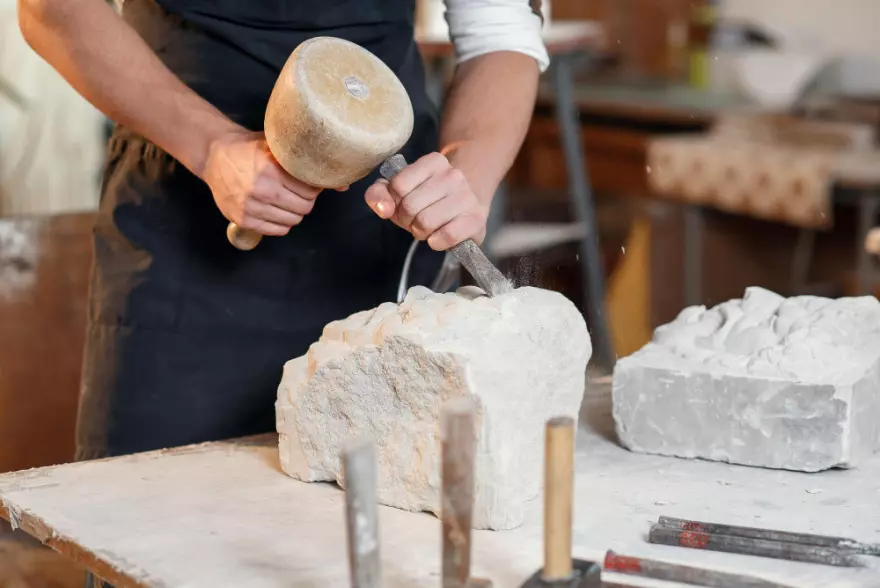
Yes. All our stone kitchen worktops are precision-cut to your exact measurements. We take detailed templates from your kitchen to ensure a perfect fit before fabrication begins.
What are the latest trends in kitchen worktops?
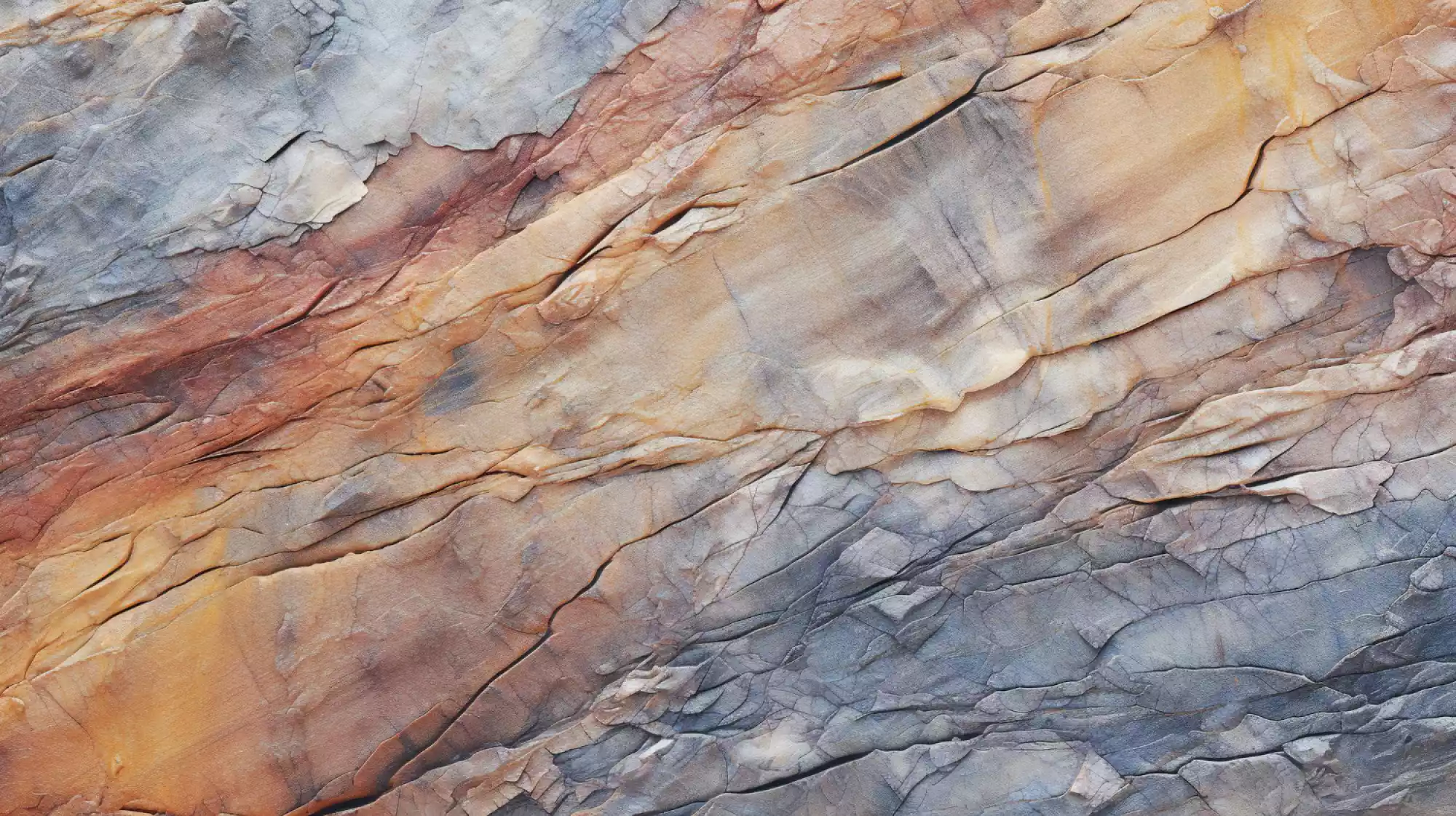
The direction is warm, textured and lived-in rather than cold and clinical. Natural stone continues to lead in premium kitchens - particularly quartzite and marble - valued for the fact that no two slabs are identical. Porcelain and sintered stone are also growing fast, with large-format slabs and matte finishes gaining ground. Statement islands with a different stone or finish to the perimeter worktops are increasingly popular, and thicker edge profiles are giving worktops a more sculptural, substantial feel.